Moramba Bay
Moramba Bay
On Madagascar's northwest coast, Moramba Bay lines limestone islets, baobabs and Sakalava heritage, accessible only by boat.
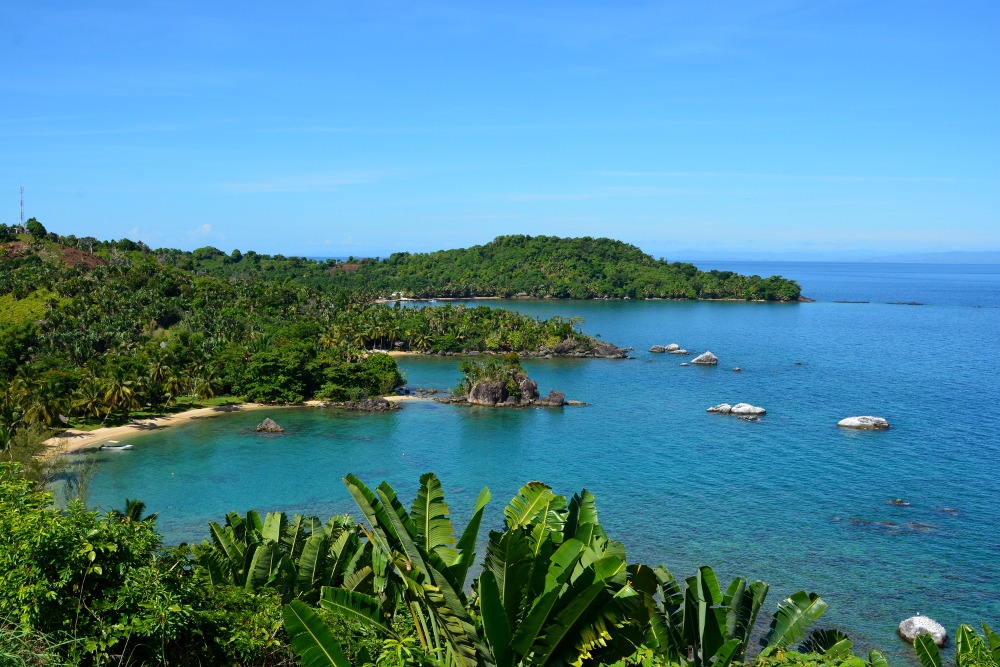
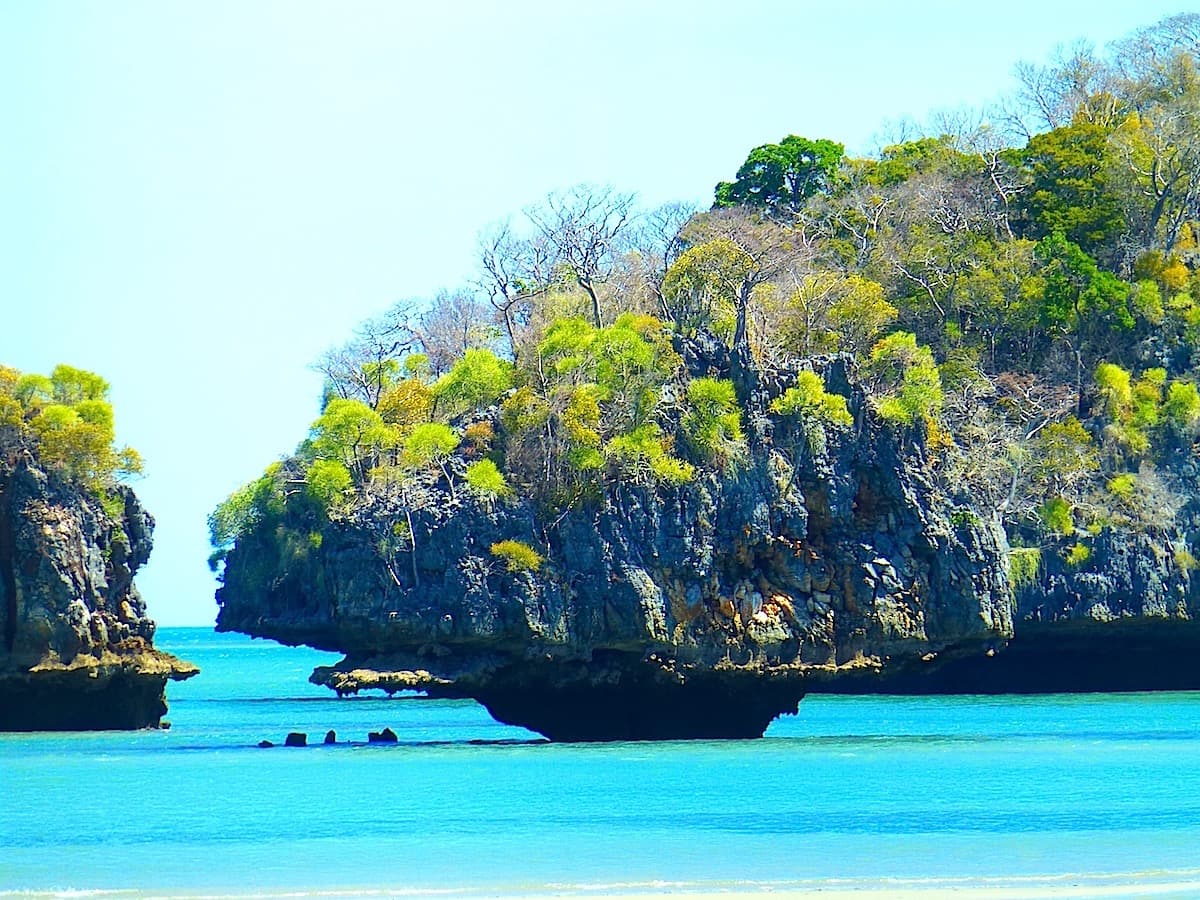
Moramba Bay stretches along Madagascar's northwest coast, between Nosy Be and Majunga. Its waters harbor some fifty limestone islets crowned with baobabs, sculpted by marine erosion over millennia. Accessible only by boat, this site combines karstic landscapes, Sakalava cultural heritage and endemic wildlife, away from the beaten tourist path.
Why visit Moramba Bay
Moramba stands out for bringing together several rare elements in Madagascar: karstic formations rising directly from the sea, century-old baobabs clinging to the islets, and wildlife accessible without long treks. The bay remains little visited because access requires sailing, which preserves its tranquility.
The site also holds strong cultural significance. Sakalava communities, present on this coastline for centuries, have left burials in rock cavities and at the foot of baobabs. These sacred places coexist with tourist activity, provided they are approached with respect.
History and Sakalava heritage
The Sakalava people have occupied Madagascar's northwest coasts for several centuries. Fishermen and navigators, they developed a keen knowledge of currents, tides and the bay's islets. Moramba preserves several Sakalava tombs, nestled in rock cavities or sheltered by great baobabs.
The baobab holds a special place in Sakalava culture: a symbolic tree, it is associated with ancestors and family lineage memory. Some bay islets remain considered sacred and their access is regulated, even forbidden. Local guides indicate zones where landing is permitted and those best observed from the water.
What to see and do
Sailing between the islets
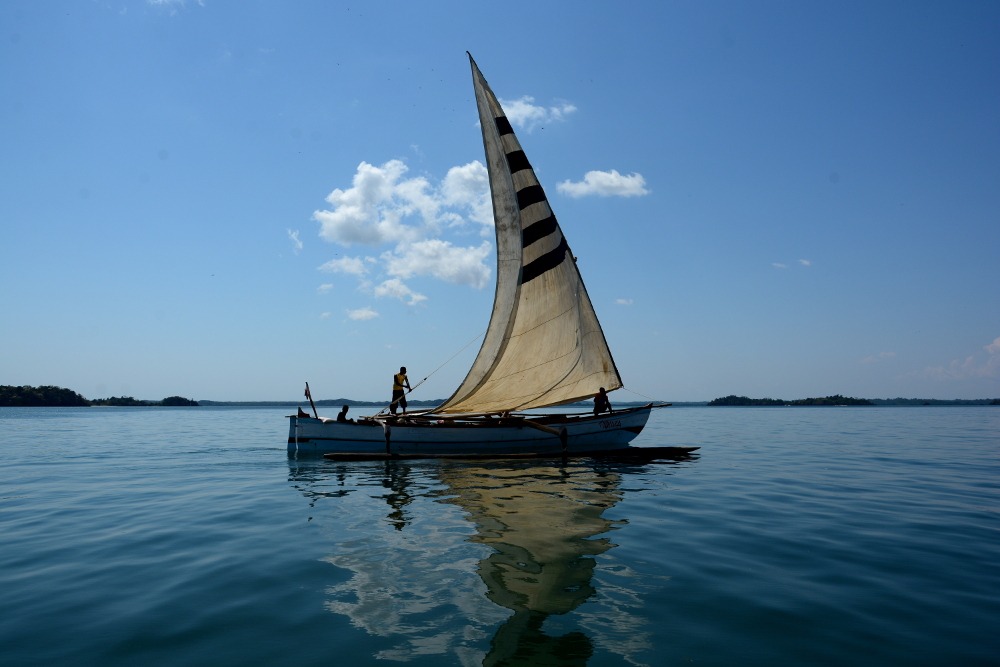
Exploring the bay is done by sailboat, motorized canoe or traditional dhow. At low tide, the boat weaves between limestone peaks whose water-sculpted bases create the illusion they float. Several sheltered anchorages allow stops for the night or day.
Observe wildlife
The bay is home to varied and accessible wildlife:
- Lemurs (jumping primates) on wooded islets
- Vasa parrots and other endemic birds
- Madagascar fish eagles, a threatened species
- Sea turtles and reef fish while snorkeling
Walk on the islets
Several islets are suitable for short walks, accessible on foot at low tide. You'll observe baobabs up close and access viewpoints over the entire bay. Trails are rudimentary: bring suitable footwear and water.
Snorkeling and swimming
The bay's waters allow swimming and snorkeling around several islets. Coral richness is modest compared to other Madagascar sites, but visibility and fish diversity make the activity enjoyable.
Practical information
- Recommended duration: 2 to 4 days cruising, to fully enjoy the islets and sunsets.
- Level: no physical difficulty, except a few short steps on limestone terrain.
- Accommodation: nights aboard (cabin or deck), bivouac under the stars on certain permitted islets.
- Equipment: enhanced sun protection, personal snorkel and mask, headlamp, lightweight clothing and a windbreaker.
- Connectivity: no mobile network or electricity on site. Plan external batteries and total disconnection.
- Rates: cruises are organized via local operators, with variable pricing depending on vessel type and duration.
When to go
The dry season, from April to November, offers the best conditions: calm seas, clear skies and stable temperatures. This is the recommended period for sailing and wildlife observation.
From December to March, the rainy season makes the sea rougher and some coastal connections are suspended. Tropical cyclones mostly affect the east coast, but depressions can affect the northwest coast.
How to get there
Access to Moramba Bay is exclusively by sea, from two main ports:
- From Nosy Be: the most common departure point, served by domestic flight from Antananarivo. Navigation to Moramba typically takes several hours to a full day depending on the boat type.
- From Majunga (Mahajanga): an alternative south of the bay, accessible by domestic flight or road from the capital.
- Customizable itinerary: many operators offer Nosy Be ↔ Majunga routes (or vice versa), allowing you to combine Moramba with other coastal stops.
Land transfers to the embarkation port are by private vehicle, typically organized by the agency or cruise operator.
What to combine in the region
Moramba Bay is part of a coastal region rich in natural sites:
- Radama Archipelago: chain of islands north of Moramba, beaches and fishing villages.
- Baie des Russes: sheltered anchorage, often included in cruises.
- Nosy Lava: island steeped in history, marked by its former colonial penal settlement.
- To extend your journey inland, Kirindy Forest offers another approach to Madagascar's wildlife, and Ranomafana National Park complements a nature circuit well.
Frequently asked questions
Frequently asked questions
Prepare your journey
Moramba Bay fits perfectly into a broader Madagascar circuit, between the northwest coast, inland and national parks. To build a custom itinerary, explore our Madagascar travel offerings.
Interested in this visit?
We can include it in your personalised itinerary.