Baly Bay
Baly Bay
National Park spanning 57,412 hectares in northwestern Madagascar, unique refuge of the Angonoka tortoise and IBA site recognized by Birdlife International since 2001.
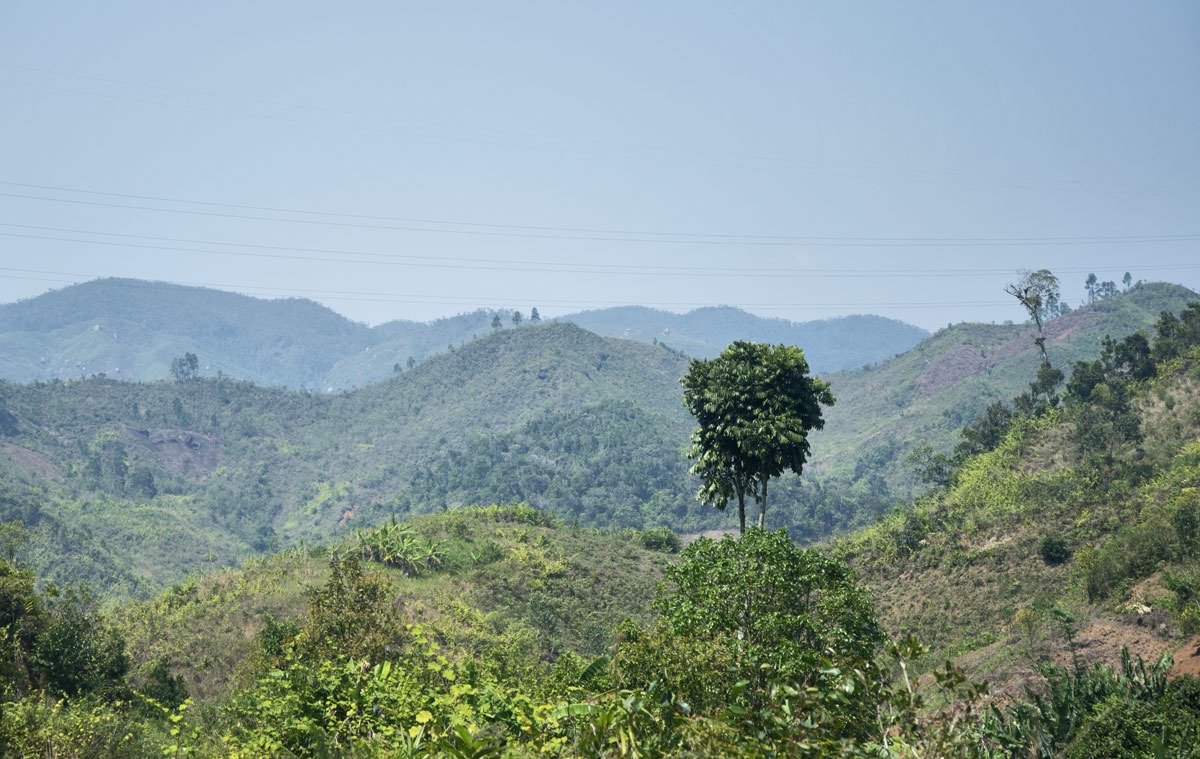
Baly Bay National Park stretches across 57,412 hectares in northwestern Madagascar, west of Majunga. This protected area encompasses six distinct ecosystems — mangroves, savannas, dry forests, lakes, scrubland and coastal zones — and harbors one of the rarest turtles on the planet, the Angonoka. Still relatively undiscovered, the site appeals to travelers seeking pristine nature and wildlife observation far from well-trodden paths.
Why visit Baly Bay
Baly Bay ranks among Madagascar's most singular natural sites for three reasons. First, it is the sole natural habitat of the saddled tortoise Astrochelys yniphora, an endemic species in critical danger of extinction and symbol of Malagasy conservation efforts. Second, the park is designated as an Important Bird Area (IBA) by Birdlife International since 2001, a recognition that underscores its ornithological significance. Finally, the diversity of habitats — from coastal zones to dry forests through inland lakes — enables observing in just a few days a fauna and flora rarely found united within a single site.
Unlike more publicized parks in the south or east, Baly Bay remains low-profile. This discretion offers calm observation conditions and direct contact with the Sakalava communities living on the park's periphery.
What to see and do
The saddled tortoise (Angonoka)
The Angonoka is the park's emblem. This terrestrial tortoise, recognizable by the ventral protuberance (the "saddle") of adult males, lives exclusively in the dwarf bamboo thickets Perrierbambos madagascariensis. The tortoise and its habitat are both endemic to Madagascar. Wild populations are estimated at a few hundred individuals, making it one of the world's most threatened tortoises. A conservation and breeding program is conducted on-site with support from international NGOs.
The four permanent lakes
The park has four permanent lakes: Sariaka, Atsandramatsibe, Atsandramatsikely and Ankidroabe. These bodies of water host colonies of migratory birds — herons, ibises, teals — and shelter the freshwater turtle Erymnochelys madagascariensis, also endemic and threatened. The shorelines offer the best vantage points for observation, particularly early in the morning.
Mangroves and coastline
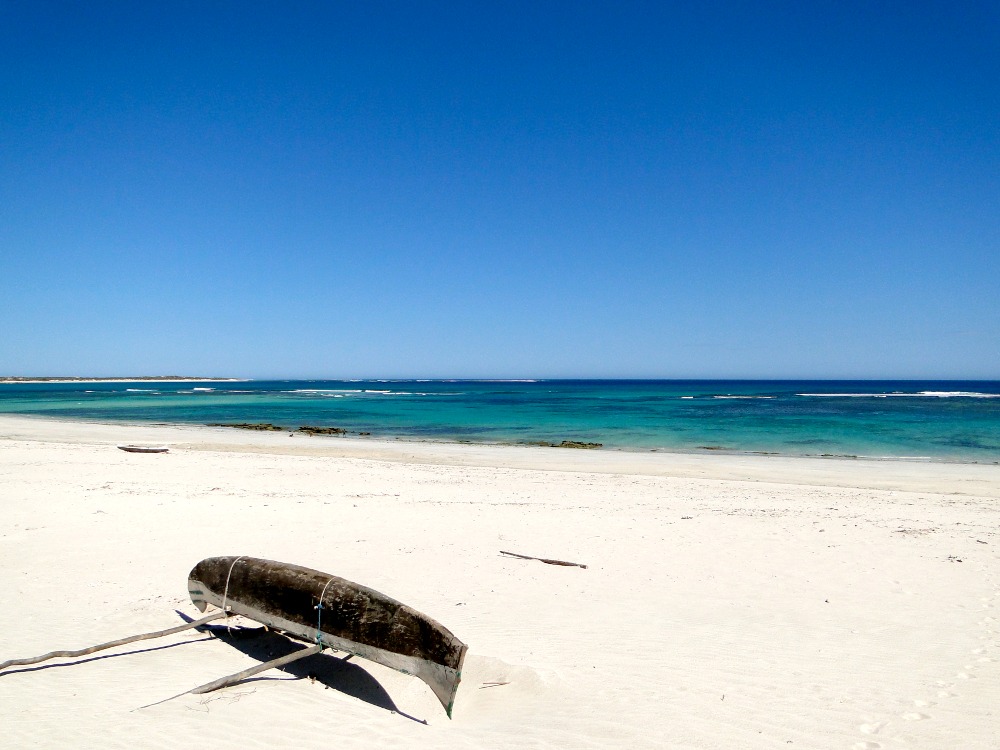
The park's maritime façade combines mangroves, beaches and estuaries. It is a crucial habitat for wading birds and certain marine species. Pirogue excursions allow you to navigate the mangrove channels and approach avian wildlife.
Dry forests and savannas
The park's interior alternates between deciduous dry forests and grassy savannas. Several lemur species, chameleons and numerous endemic birds inhabit these environments. Local guides know the usual wildlife passages.
When to go
Baly Bay is best visited during the dry season, from April/May to November. Access trails are passable, temperatures are comfortable and wildlife observations are optimal around water sources. The period from July to October is generally considered most favorable.
From December to March, the rainy season makes trails difficult or impassable, and certain park areas become inaccessible. It is best to avoid this period for land-based visits.
How to get there
The park is accessible from Majunga (Mahajanga), the main city on the northwestern coast. Two options exist:
- By road: from Majunga, the trail leads to Soalala, the park's entry point. The journey is long (several hours) and requires a 4×4 vehicle, particularly toward the end of the dry season.
- By air: occasional domestic flights connect Majunga to Soalala. The air option considerably reduces travel time but depends on availability.
To reach Majunga from Antananarivo, allow a full day of driving (approximately 570 km) or a one-hour domestic flight.
Practical information
- Recommended visit duration: 2 to 4 days on site to explore the various ecosystems.
- Guide mandatory: visits are conducted with an English-speaking accredited local guide, to be hired at the park entrance or through an agency.
- Accommodation: limited options, primarily in Soalala. Camping can be organized for longer circuits.
- Equipment: hiking boots, lightweight protective clothing, sun protection, insect repellent, water bottle.
- Health: malaria endemic zone, antimalarial treatment recommended.
- Fees: moderate entrance fees, to be paid on-site to Madagascar National Parks.
What to combine in the region
Baly Bay integrates into a broader circuit across Madagascar. Several sites complement the visit:
- The Cirque Rouge, a spectacular geological formation at the gates of Majunga.
- The Virgin Island, a beach stopover off the coast of Majunga.
- The Kirindy Forest, another emblematic dry forest home to the fossa.
- The Ranomafana National Park, to extend the naturalist experience in humid forest.
Prepare your trip
Baly Bay appeals to travelers interested in nature, ornithology and endemic species. Its demanding access makes it an ideal stop for off-the-beaten-path circuits. To integrate this park into a bespoke itinerary, consult our Madagascar journeys and build with our specialists a discovery tailored to your desires.
Interested in this visit?
We can include it in your personalised itinerary.